2:00 p.m.7:00 p.m.

Amílcar Cabral: In Support of a Radical Humanism
Oct. 16–Dec. 13
MansA – House of African Worlds
Free admission on booking
Oct. 16–Dec. 13
MansA – House of African Worlds
Free admission on booking
Oct. 31–Nov. 29
MansA – House of African Worlds
Free admission on booking
No events scheduled for this date.
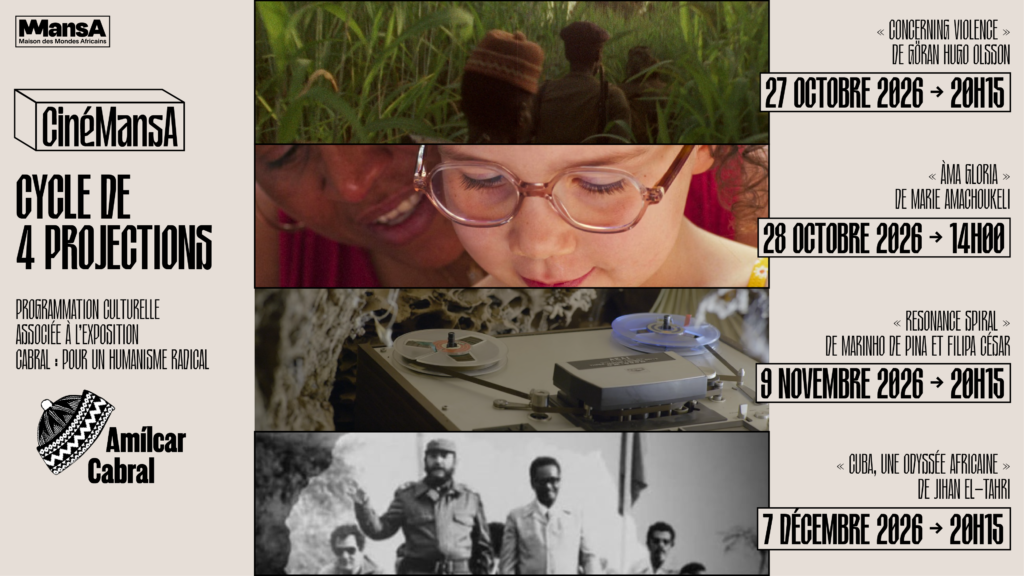
From Che Guevara’s military campaign in the Congo to the fall of apartheid in South Africa, *Cuba: An African Odyssey* by Jihan El-Tahri traces Cuba’s commitment to African revolutionaries and recounts a largely unknown history of solidarity and internationalism.
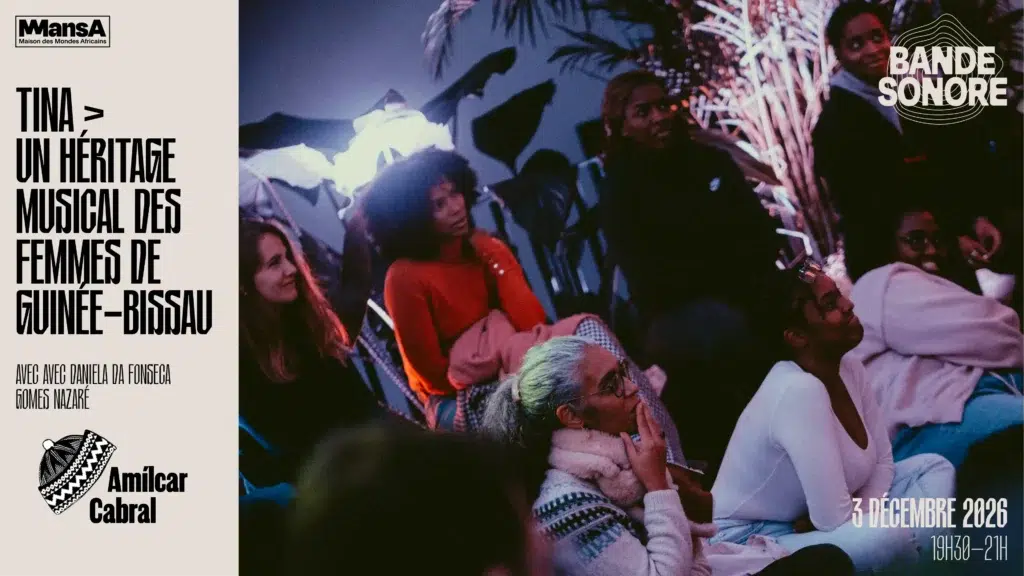
A musical and ritual practice rooted in mandjuandadi, a form of women’s social organization in Guinea-Bissau, the tina has played a role in nation-building while remaining at risk of being forgotten. Daniela Da Fonseca Gomes Nazaré, a music journalist and founder of Okinka, explores this heritage and its contemporary revival as part of MansA’s “Bande Sonore” collective listening series.
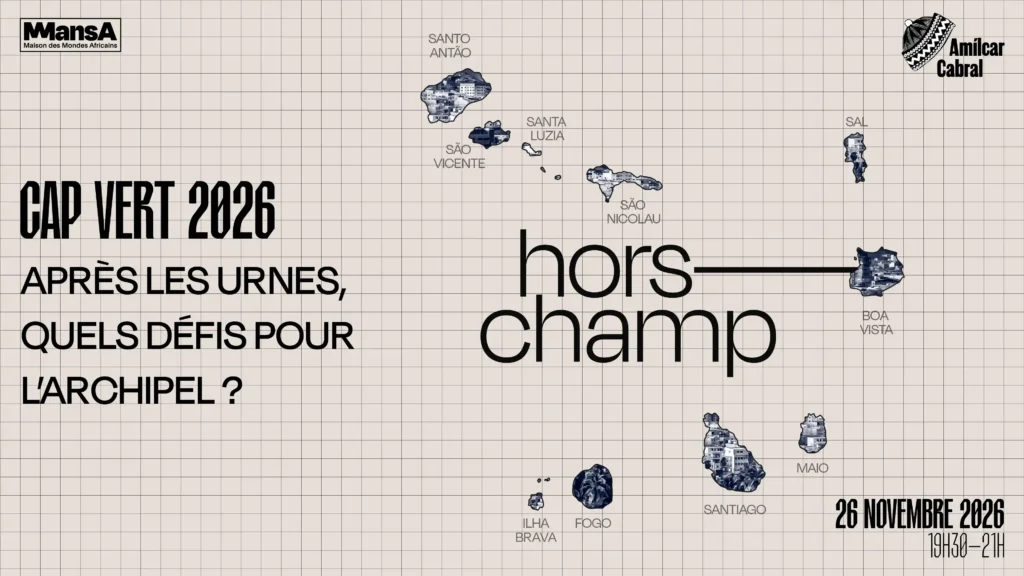
November 2026 marks a turning point for Cape Verde. Presidential and legislative elections are reshaping the political landscape of this archipelago, which is often cited as a model of democratic stability in West Africa. Beyond the results, what challenges truly lie ahead for the new administration? Every two months, MansA, in collaboration with Hors-champ, offers an in-depth analysis of current events across the African world, shedding light on realities often absent from mainstream narratives.
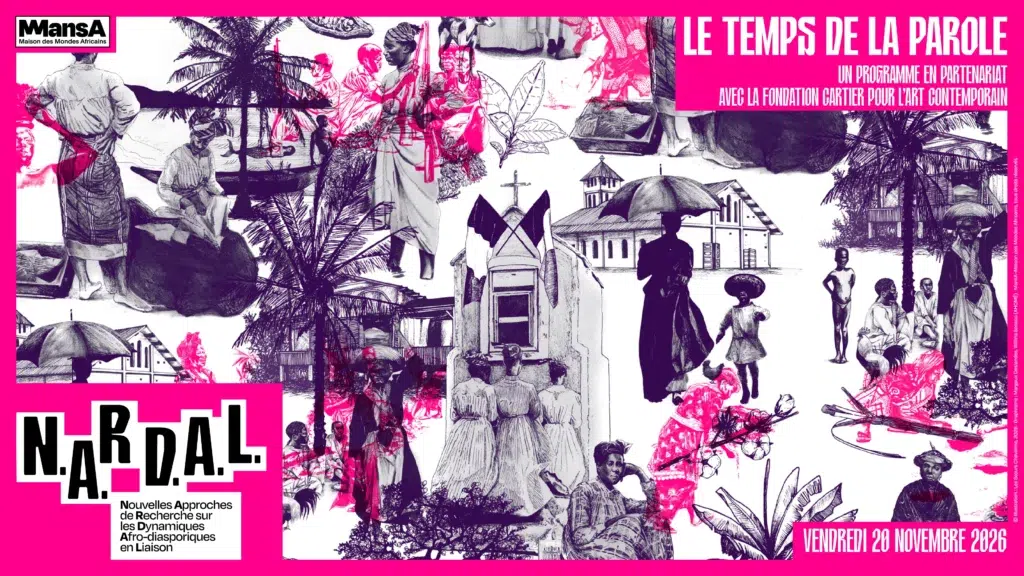
On November 20, MansA takes over “Parliament of Ghosts,” Ibrahim Mahama’s installation on view at the Fondation Cartier, for a new “Temps de la parole.” Mame-Fatou Niang brings together four voices for “Néoblaste,” a reading-performance exploring appearance, invisibility, and the possibility of finding one’s place.
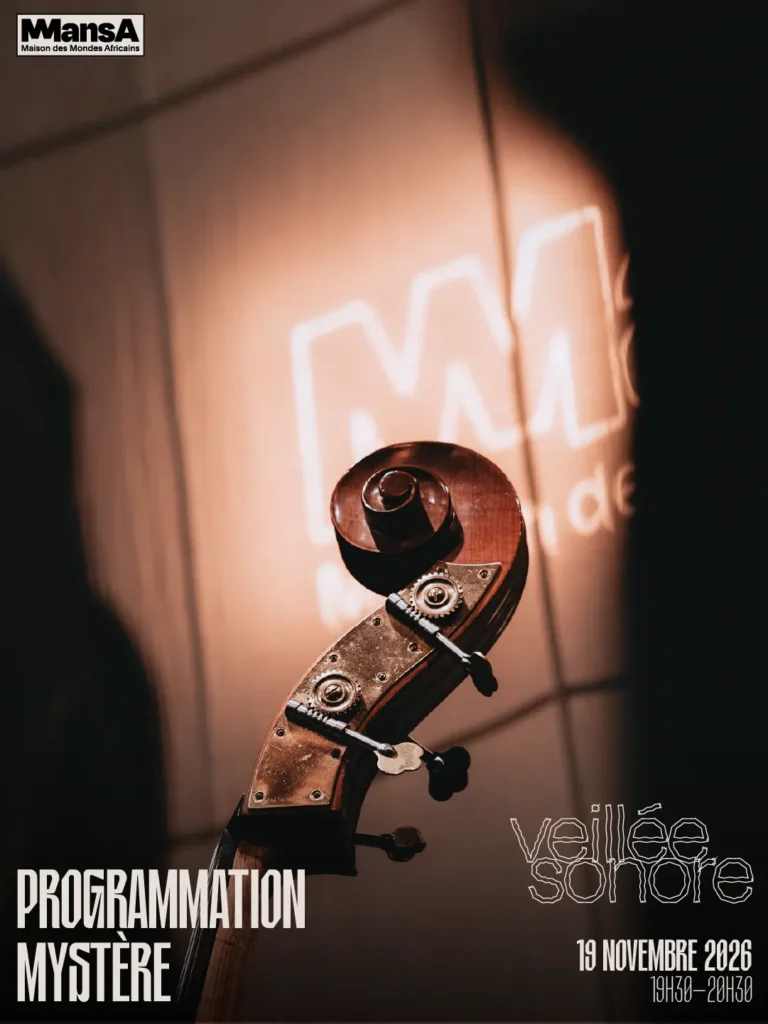
As a follow-up to the exhibition “Amílcar Cabral: For a Radical Humanism,” a leading voice in Cape Verdean culture will be featured at this “Veillée sonore.”
In Malafo, Guinea-Bissau, the Mediateca Onshore serves as both an archive and a space dedicated to “agropoetic” practices. In *Resonance Spiral*, Filipa César and Marinho de Pina document its construction and the practices that take place there, creating a dialogue between archives, the performing arts, and community experiences.
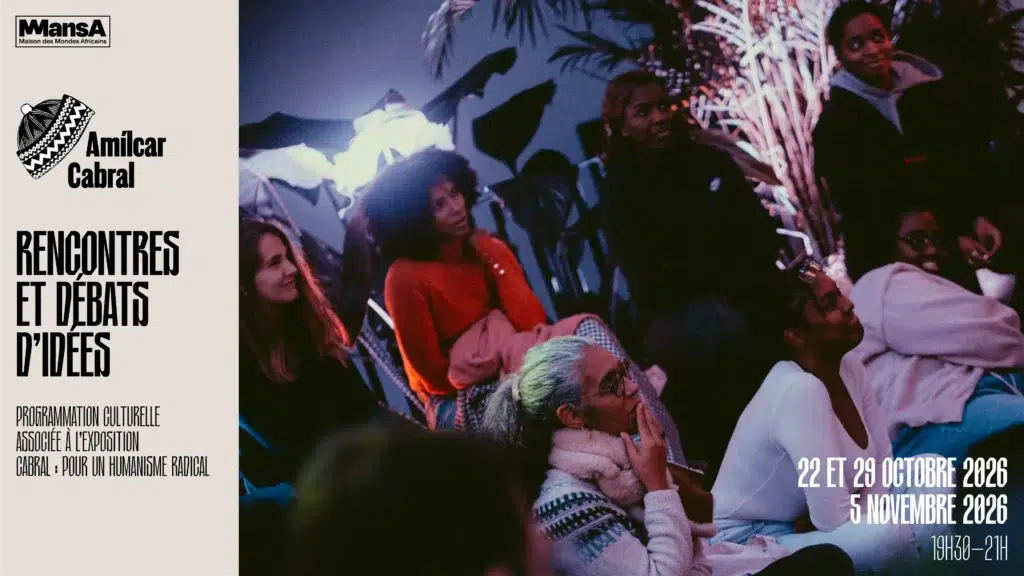
Several texts and archival documents highlight Amílcar Cabral’s commitment to women’s full and equal participation in the liberation struggle, at a time when they were not officially integrated into the military forces.
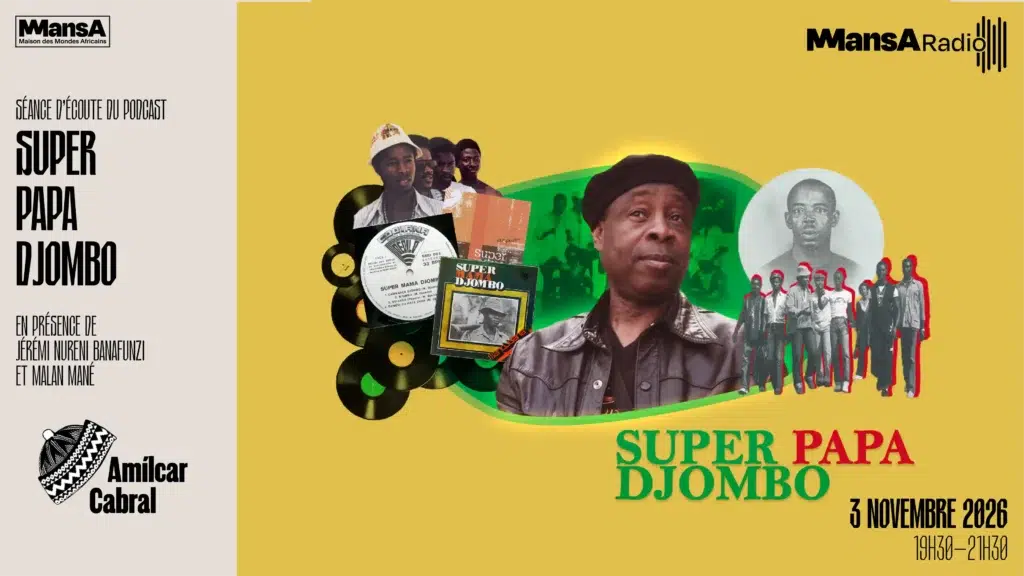
A listening session to discover the largely unknown story of Super Mama Djombo, an iconic band from Guinea-Bissau, and the journey of its lead singer, Malan Mané.
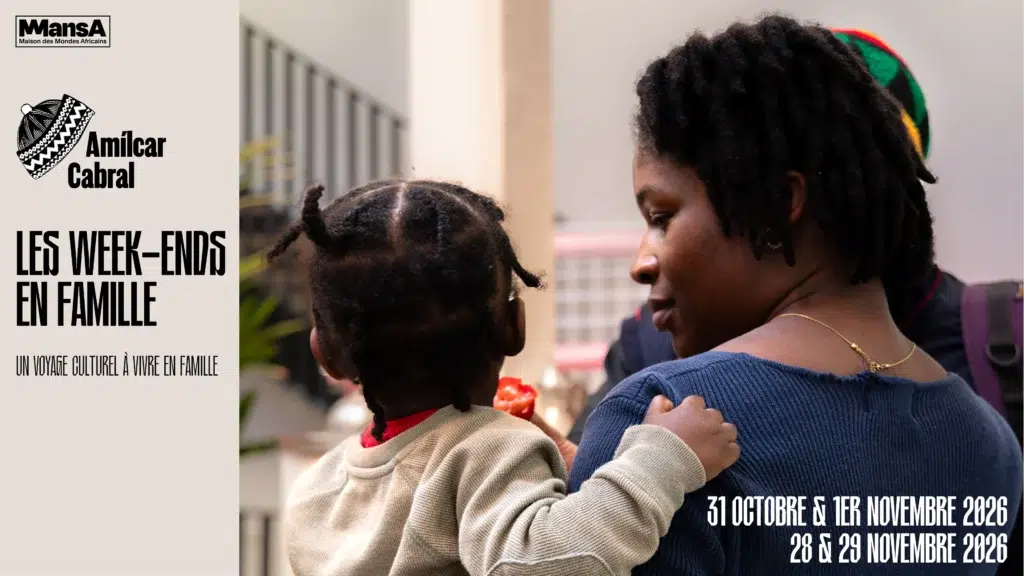
To mark the exhibition “Amílcar Cabral: For a Radical Humanism,” MansA invites children and their guardians to explore the exhibition in a different way, through reading breaks, storytelling tours, and creative workshops. Two weekends to listen to stories, see things from a new perspective, and experiment together, drawing inspiration from the cultures of Cape Verde, Guinea-Bissau, and Senegal.